
Introduction
Tobacco farming is one of the most important agricultural activities in many countries, including India. Tobacco is cultivated for various purposes, such as cigarette manufacturing, cigars, pipe tobacco, chewing tobacco, and hookah tobacco. Farmers who grow tobacco must follow proper cultivation practices to achieve high yields and maintain leaf quality. With the increasing demand for premium tobacco products in international markets, tobacco farming has become a profitable agricultural business for many growers.
This guide covers everything you need to know about tobacco farming, including soil requirements, climate conditions, cultivation methods, harvesting, curing, and marketing.
What is Tobacco Farming?
Tobacco farming refers to the cultivation of tobacco plants for commercial production. The crop belongs to the Solanaceae family and is primarily grown for its leaves. The quality of tobacco leaves depends on factors such as climate, soil fertility, irrigation, harvesting methods, and curing techniques.
India is among the leading tobacco-producing countries and exports significant quantities of tobacco products to global markets. Farmers cultivate different tobacco varieties depending on regional conditions and market demand.
Importance of Tobacco Farming
Tobacco farming contributes significantly to the agricultural economy. It provides employment opportunities to farmers, laborers, processors, and exporters. Some key benefits include:
- Generates income for rural communities
- Supports agricultural exports
- Creates employment opportunities
- Contributes to foreign exchange earnings
- Encourages development of farming infrastructure
- Provides raw materials for tobacco industries
The tobacco sector plays a vital role in international trade, especially for countries that export premium-quality tobacco leaves.
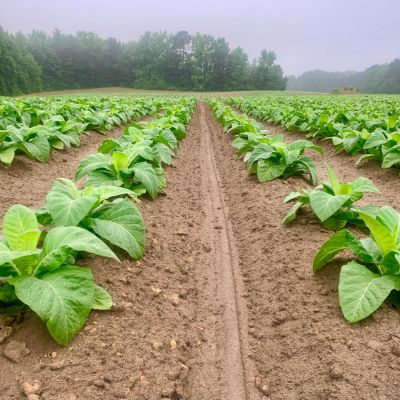
Climate Requirements for Tobacco Cultivation
Climate is one of the most important factors influencing tobacco production. Tobacco grows best in warm and frost-free conditions.
Ideal Climate Conditions
- Temperature: 20°C to 30°C
- Moderate rainfall: 600–1000 mm annually
- Plenty of sunshine
- Low humidity during harvesting
- Well-distributed rainfall throughout the growing season
Excessive rainfall can damage crops and reduce leaf quality, while prolonged drought can affect plant growth and yield.
Soil Requirements for Tobacco Farming
Tobacco plants perform best in well-drained soils with adequate fertility.
Suitable Soil Types
- Sandy loam soils
- Loamy soils
- Red soils
- Black cotton soils (for certain varieties)
Soil Characteristics
- Good drainage
- Rich organic matter
- pH between 5.5 and 7.5
- Moderate nutrient levels
Proper soil preparation before planting helps improve root development and crop productivity.
Land Preparation
Preparing the field properly is essential for successful tobacco cultivation.
Steps in Land Preparation
- Deep plowing to loosen the soil
- Removal of weeds and crop residues
- Addition of organic manure
- Leveling the field
- Creating ridges and furrows for irrigation
Farmyard manure and compost are commonly applied to improve soil fertility and structure.
Tobacco Nursery Management
Tobacco is usually grown through seedlings raised in nurseries.
Nursery Preparation
- Select fertile land
- Prepare raised nursery beds
- Apply organic manure
- Sow quality tobacco seeds evenly
- Water regularly
The seedlings become ready for transplanting after approximately 40–60 days, depending on the variety and climatic conditions.
Transplanting Tobacco Seedlings
Healthy seedlings are transplanted into the main field once they develop sufficient leaves and strong roots.
Transplanting Guidelines
- Choose healthy seedlings
- Transplant during cool weather
- Maintain proper spacing
- Irrigate immediately after transplanting
Proper spacing allows adequate sunlight and airflow, reducing disease pressure and promoting healthy growth.
Irrigation Management
Water management plays a critical role in tobacco farming.
Irrigation Requirements
- Regular irrigation during early growth stages
- Reduced irrigation before harvesting
- Avoid waterlogging
- Use efficient irrigation systems
Over-irrigation can negatively affect leaf quality and increase disease incidence.
Nutrient Management
Balanced fertilization is essential for producing high-quality tobacco leaves.
Important Nutrients
Nitrogen (N)
- Promotes leaf growth
- Increases plant vigor
Phosphorus (P)
- Supports root development
- Enhances plant establishment
Potassium (K)
- Improves leaf quality
- Enhances curing characteristics
Organic Fertilizers
- Farmyard manure
- Vermicompost
- Green manure
- Compost
Regular soil testing helps farmers determine appropriate fertilizer application rates.
Weed Management
Weeds compete with tobacco plants for nutrients, water, and sunlight.
Weed Control Methods
- Manual weeding
- Mechanical cultivation
- Mulching
- Timely field maintenance
Keeping fields weed-free during early growth stages significantly improves yields.
Common Pests in Tobacco Farming
Several pests can damage tobacco crops and reduce productivity.
Tobacco Caterpillar
This pest feeds on leaves and can cause severe damage if left uncontrolled.
Aphids
Aphids suck plant sap and weaken tobacco plants.
Whiteflies
Whiteflies can spread diseases and reduce crop vigor.
Cutworms
These pests attack young seedlings and may cause plant loss.
Integrated Pest Management (IPM) practices are recommended to minimize pest damage while reducing environmental impact.
Common Diseases in Tobacco Crops
Disease management is essential for maintaining crop quality.
Black Shank
A soil-borne disease that affects roots and stems.
Leaf Spot
Causes spots on leaves and reduces market value.
Mosaic Disease
A viral disease that affects leaf growth and appearance.
Root Rot
Occurs in poorly drained soils and can severely damage plants.
Using disease-resistant varieties and practicing crop rotation can help reduce disease problems.
Topping and Sucker Control
Topping is an important practice in tobacco cultivation.
What is Topping?
Topping involves removing the flower head from the tobacco plant.
Benefits of Topping
- Improves leaf quality
- Increases leaf size
- Enhances nutrient utilization
- Promotes uniform growth
After topping, suckers may develop and should be managed to maintain leaf quality.
Harvesting Tobacco Leaves
Harvesting is one of the most critical stages in tobacco farming.
Signs of Maturity
- Leaves turn yellowish-green
- Leaf texture becomes thicker
- Mature appearance develops
Harvesting Methods
Priming
Leaves are harvested individually as they mature.
Stalk Cutting
The entire plant is harvested at once.
Harvesting at the correct maturity stage ensures better curing results and higher market value.
Tobacco Curing Process
Curing transforms harvested leaves into marketable tobacco products.
Types of Tobacco Curing
Flue-Curing
Commonly used for Virginia tobacco. Heat is applied indirectly to cure leaves.
Air-Curing
Leaves are hung in well-ventilated barns for natural drying.
Sun-Curing
Leaves are dried under sunlight.
Fire-Curing
Smoke from controlled fires helps cure the tobacco.
The curing method significantly affects flavor, color, aroma, and quality.
Grading and Storage
After curing, tobacco leaves are graded according to quality standards.
Grading Factors
- Leaf size
- Color
- Texture
- Moisture content
- Uniformity
Proper storage conditions help preserve quality before processing or export.
Storage Tips
- Maintain dry conditions
- Ensure good ventilation
- Protect from pests
- Avoid excessive moisture
Marketing and Export Opportunities
The global demand for premium tobacco leaves continues to create opportunities for growers and exporters.
Key Export Markets
- Asia
- Europe
- Middle East
- Africa
- North America
Export-quality tobacco requires compliance with international standards regarding grading, moisture content, packaging, and documentation.
Challenges in Tobacco Farming
Despite its profitability, tobacco farming faces several challenges:
- Climate variability
- Pest infestations
- Disease outbreaks
- Labor shortages
- Market fluctuations
- Rising production costs
Farmers can overcome these challenges through modern farming practices, improved seed varieties, and effective crop management strategies.
Future of Tobacco Farming
Technological advancements are helping improve productivity and sustainability in tobacco cultivation. Precision agriculture, efficient irrigation systems, soil testing, and integrated crop management practices are becoming increasingly important.
Farmers who adopt modern agricultural techniques can improve yields, enhance leaf quality, and increase profitability while meeting international market requirements.
Conclusion
Tobacco farming remains an important agricultural activity that supports millions of farmers and contributes significantly to the global economy. Successful tobacco cultivation requires proper soil preparation, climate management, irrigation, pest control, harvesting, and curing techniques. By following best farming practices and maintaining high-quality standards, growers can achieve better yields and access lucrative domestic and international markets.
Whether you are a new farmer or an experienced grower, investing in modern tobacco farming methods can help maximize production and ensure long-term success in the competitive tobacco industry.